Understanding Good Dental Implants
A comprehensive guide to good dental implants, including costs, benefits, and services available worldwide.
Introduction to Dental Implants
Dental implants have become a popular solution for individuals seeking to replace missing teeth. They offer a natural look, durability, and functionality comparable to natural teeth. As advancements in dental technology continue to evolve, the options for dental implants have expanded significantly. In this article, we will explore good dental implants, their advantages, costs across different regions, and resources for obtaining affordable treatment.
What Are Dental Implants?
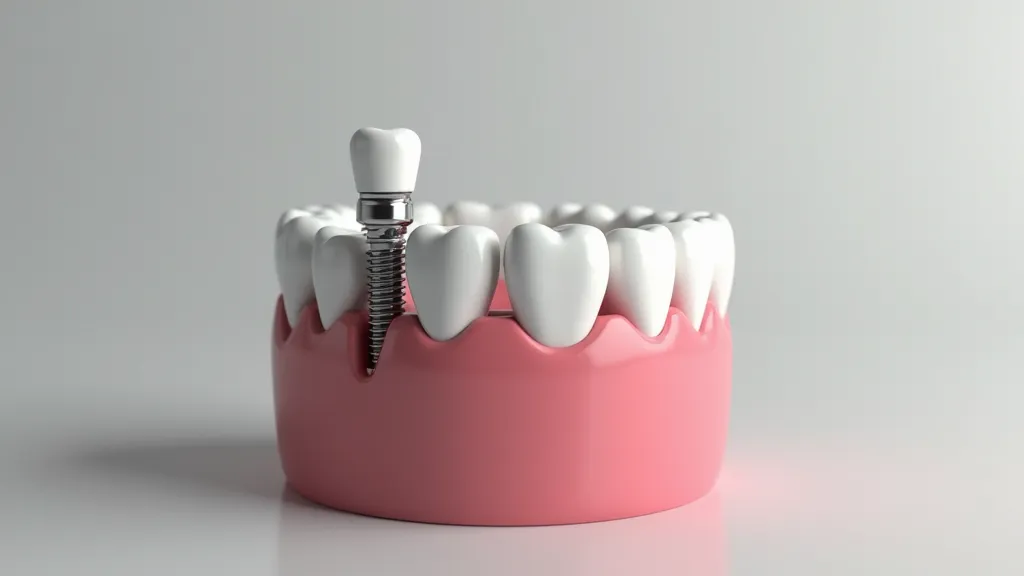
Dental implants are surgical components that interface with the bone of the jaw to support dental prostheses such as crowns, bridges, or dentures. The implant itself is usually made from titanium, a biocompatible material that promotes osseointegration—the process where the bone fuses with the implant. This fusion provides a strong and stable foundation for artificial teeth.
Types of Dental Implants
There are primarily two types of dental implants: endosteal and subperiosteal. Endosteal implants are the very common type, inserted directly into the jawbone. Subperiosteal implants, on the other hand, are placed under the gum but above the jawbone, suitable for patients with minimal bone height. Additionally, there are variations within these types, such as zygomatic implants, which are used for patients with significant bone loss in the upper jaw.
Benefits of Good Dental Implants
- Durability: Dental implants can last a lifetime with proper care.
- Natural Appearance: They mimic the look and feel of natural teeth.
- Improved Oral Health: Unlike traditional bridges, implants do not require the alteration of adjacent teeth.
- Enhanced Functionality: Patients can eat, speak, and smile comfortably without worrying about slippage.
- Bone Preservation: Implants help maintain the jawbone structure, preventing bone loss that typically occurs with missing teeth.
- Convenience: Unlike removable dentures, dental implants eliminate the need for messy adhesives or the hassle of removing them for cleaning.
Cost of Dental Implants
The cost of dental implants varies significantly based on location, the complexity of the procedure, and the type of materials used. Below we provide a detailed cost range for dental implants categorized by region:
Cost Ranges for Dental Implants
| Region | Currency | Price Range |
|---|---|---|
| United States | USD | $3,000 - $6,000 |
| United Kingdom | GBP | £2,000 - £2,500 |
| Australia | AUD | AU$3,500 - AU$6,500 |
| Canada | CAD | CA$3,000 - CA$5,500 |
| Spain | EUR | €1,500 - €2,500 |
| Chile | CLP | CLP$800,000 - CLP$1,500,000 |
| Mexico | MXN | $15,000 - $25,000 |
| Colombia | COP | $2,000,000 - $4,000,000 |
| Peru | PEN | S/ 3,000 - S/ 6,000 |
| Argentina | ARS | $80,000 - $150,000 |
| Brazil | BRL | R$3,000 - R$8,000 |
| Portugal | EUR | €1,000 - €2,000 |
Source: Information compiled from various dental websites and resources as of October 2023.
Finding Affordable Dental Implants
For those seeking low-cost dental implants, many dental clinics and dental tourism options are available. Below are some websites that provide information on affordable dental implant solutions:
| Website | Description |
|---|---|
| Dental Views | This site offers low-cost dental implant solutions, detailing benefits and different types of treatments. |
| Atlantic Dental Group | A comprehensive dental clinic site providing information about various dental services including implants. |
| DentaVacation | This dental tourism site helps patients save on dental care by traveling abroad for treatments. |
| ADHP (American Dental Health Plans) | This site offers dental insurance options to help consumers find suitable coverage. |
Source: Dental Views, Atlantic Dental Group, DentaVacation, ADHP
Steps to Get Dental Implants at Low Cost
- Research Options: Start by researching dental clinics in your area or abroad that offer low-cost implants.
- Consultation: Schedule consultations with multiple clinics to compare prices and services.
- Insurance Check: Verify if your dental insurance covers any part of the implant procedure.
- Consider Dental Tourism: Look into traveling to countries known for affordable dental procedures.
- Review Reviews: Read patient reviews and testimonials to gauge the quality of care provided.
- Make an Informed Decision: After gathering all necessary information, choose the clinic that best fits your needs and budget.
- Ask About Financing Options: Many clinics offer financing plans that can make the cost more manageable. Inquire about monthly payment options and interest rates.
- Check for Promotions: Some dental practices run special promotions or discounts on implants, especially for new patients. Stay on the lookout for these opportunities.
- Be Aware of Additional Costs: Understand that the initial quote may not include all potential expenses, such as consultations, imaging tests, or follow-up visits, so ensure you ask about the total estimated cost.
FAQs About Dental Implants
1. How long do dental implants last?
With proper care and maintenance, dental implants can last a lifetime. Regular dental check-ups and good oral hygiene practices are essential to ensure their longevity. Factors such as smoking, diabetes, and oral hygiene can affect the lifespan of implants.
2. Are dental implants painful?
Many patients report minimal discomfort during the procedure, as anesthesia is used. Post-operative pain can be managed with over-the-counter pain relievers. Most patients find the discomfort significantly less than they anticipated.
3. What factors affect the cost of dental implants?
The cost can vary based on the complexity of the case, the materials used, the location of the clinic, and whether any additional procedures (like bone grafting) are necessary. Moreover, the experience and qualifications of the dental professional performing the procedure can also influence costs.
4. Can anyone get dental implants?
Most individuals with good oral health and sufficient bone density are candidates for dental implants. However, those with certain health conditions or insufficient bone density may require additional procedures, like bone grafts, prior to receiving implants. A thorough evaluation by a dental professional is needed.
5. What is the recovery time for dental implants?
Recovery can vary but generally takes a few months for the bone to fully fuse with the implant. Most people can return to normal activities within a week, but complete healing might take longer depending on individual circumstances and the complexity of the procedure.
6. Are dental implants covered by insurance?
Coverage for dental implants varies by insurance plan. Some plans may cover a portion of the procedure, while others may not cover it at all. It’s important to check with your insurance provider to understand your coverage options.
7. What should I expect during the dental implant procedure?
The dental implant process typically involves several steps: an initial consultation, imaging tests (like X-rays), the surgical placement of the implant, a healing period for osseointegration, and finally, the placement of the crown or prosthesis. Each step is crucial for the success of the treatment.
8. Can dental implants be removed?
Dental implants are designed to be permanent, but they can be removed if necessary, for instance, in cases of complications or implant failure. This should only be performed by a qualified dental professional.
Conclusion
Good dental implants offer a reliable and aesthetically pleasing solution for missing teeth. By understanding the costs and exploring various resources, individuals can make informed decisions about their dental health. If you're considering dental implants, it’s essential to consult with dental professionals to discuss your options and find the best solutions tailored to your needs. Proper research and planning can lead to successful treatment outcomes and improved overall dental health.
Disclaimer
The above information comes from online resources, and the data is as of October 2023. Dental implant prices are for reference only and may vary by region, clinic, and doctor. Always consult a dental professional for personalized advice and treatment options.
References
The Future of Dental Implants
As technology continues to advance, the future of dental implants appears promising. Innovations such as 3D printing and computer-guided implant placement are becoming more common, allowing for more precise and individualized treatment plans. Furthermore, research is ongoing into the use of alternative materials and techniques that could enhance the integration of implants with bone tissue.
Exploring Dental Implant Materials
While titanium is the most commonly used material for dental implants due to its biocompatibility and strength, other materials are also being explored. Zirconia implants, for instance, offer a metal-free alternative that can be aesthetically pleasing, especially for individuals concerned about the visibility of metal components in their mouths. Zirconia is known for its strength, durability, and resistance to corrosion, making it an appealing option for some patients.
Understanding the Dental Implant Procedure
The dental implant procedure is a multi-step process that typically unfolds over several months. The first step involves a thorough evaluation by your dental professional, including X-rays and possibly CT scans to assess the jawbone's health and density. This information is crucial for determining the best approach for your specific situation.
Once evaluated, the next step involves the surgical placement of the implant into the jawbone. This is typically done under local anesthesia or sedation to ensure patient comfort. After the implant is placed, a healing period follows, during which osseointegration occurs. This process can take several months, during which the bone grows around the implant, securing it in place.
After sufficient healing, a second procedure may be required to attach an abutment to the implant, which will later support the crown or prosthesis. Finally, impressions of your mouth are taken to create a custom crown that matches the shape and color of your natural teeth. Once the crown is ready, it is securely attached to the abutment, completing the implant process.
Maintaining Dental Implants
After receiving dental implants, ongoing maintenance is crucial to ensure their longevity. Just like natural teeth, dental implants require regular brushing and flossing to prevent plaque buildup and gum disease. It's also essential to attend regular dental check-ups where your dentist can monitor the condition of the implants, perform professional cleanings, and address any concerns that may arise.
In addition to standard oral hygiene practices, patients should be aware of the importance of lifestyle factors that can impact the success of dental implants. For instance, individuals who smoke may be at a higher risk of implant failure due to reduced blood flow and impaired healing. Similarly, maintaining a balanced diet rich in vitamins and minerals supports bone health and overall recovery.
The Impact of Dental Implants on Quality of Life
Many patients report significant improvements in their quality of life after receiving dental implants. The ability to eat a wider variety of foods without discomfort or fear of slippage, along with the enhanced confidence that comes from having a complete smile, can greatly affect one's social interactions and self-esteem. Studies have shown that individuals with dental implants often experience improved mental and emotional well-being compared to those who rely on dentures or live with missing teeth.
Furthermore, dental implants can eliminate the discomfort associated with traditional dentures, such as sore spots or the need for adhesives. Patients often express that they feel more like themselves again, enabling them to engage in social activities and enjoy life to the fullest.
Choosing the Right Dental Professional
Choosing the right dental professional is one of the most critical steps in the dental implant process. Patients should seek out qualified dental surgeons or periodontists with experience in implant dentistry. It’s advisable to look for professionals who are members of recognized dental associations and who can provide evidence of their training and successful outcomes.
Before making a decision, potential patients should schedule consultations with multiple practitioners. During these consultations, they can ask questions about the surgeon's experience, the materials used, the expected timeline, and any potential risks or complications. This not only helps patients make informed decisions but also establishes a rapport with their chosen provider, which is vital for a successful treatment experience.
Final Thoughts
Dental implants represent a significant advancement in restorative dentistry, providing a reliable and aesthetically pleasing solution for individuals with missing teeth. By understanding the various aspects of dental implants—from the types and costs to the procedures and maintenance—patients can make informed choices that enhance their dental health and overall quality of life. As technology continues to evolve, the future holds even more exciting possibilities for dental implant solutions, promising improved outcomes and accessibility for patients worldwide.
-

Shed Pounds Effortlessly: Your Ultimate Beginner's Guide to the Keto Diet Revolution!
-
Discover Your Next Career Move: Tips for Landing a Job Close to Home!
-
Maximize Your Potential: Fully Funded Online Degrees and Career Tips
-
Pet Insurance and Care: Ensuring Peace of Mind for Pet Owners
-
Top Tips for Maximizing Security Cameras, Technology, and Surveillance