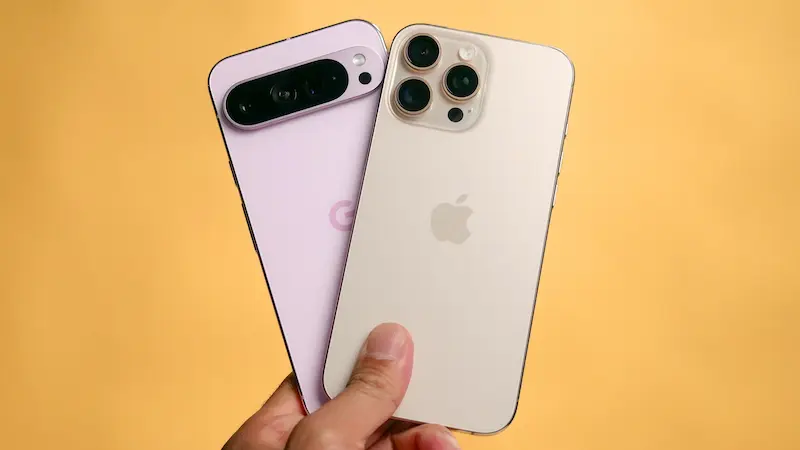
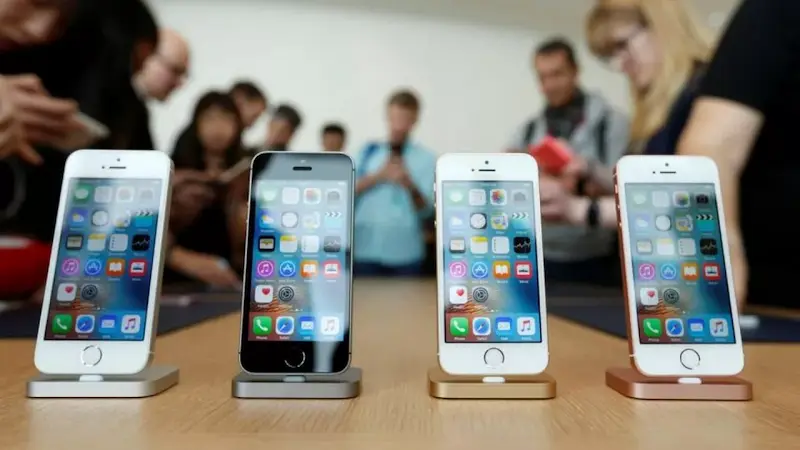
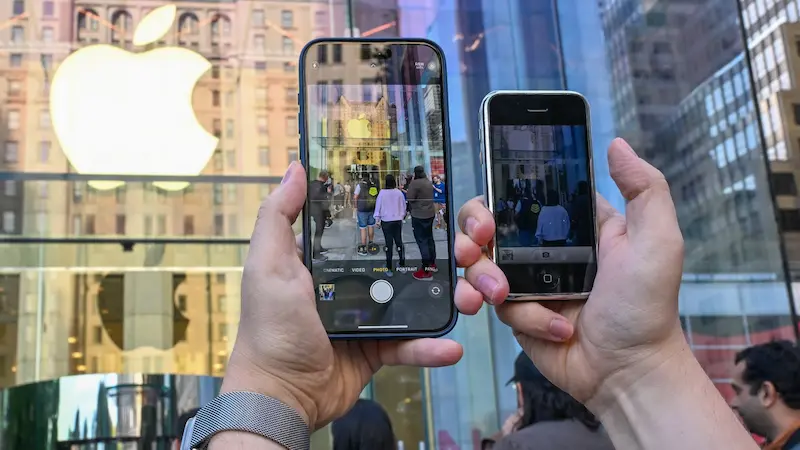
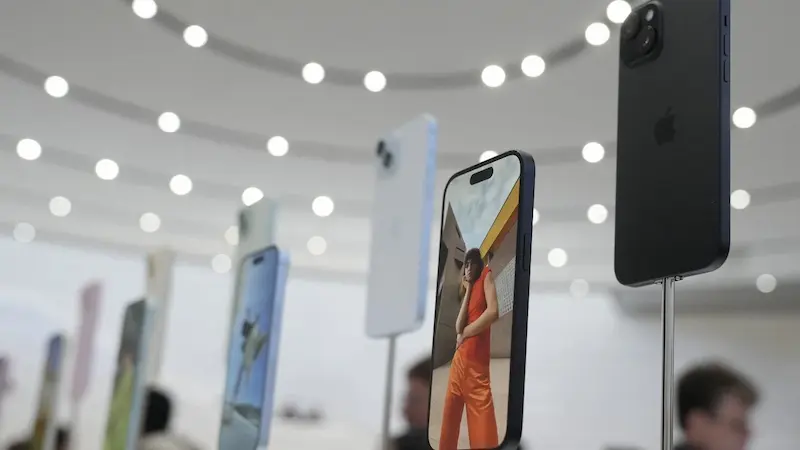
The Reality of Buying Subsidized iPhones in a Cell Phone Culture
Subsidized iPhones offer financial incentives and easy upgrades, but they can lead to long-term commitments and market instability, urging consumers to consider their options carefully.
Introduction
The allure of a new iPhone can be irresistible, especially with attractive subsidies from mobile carriers. As the cell phone market evolves, it is essential to delve into the realities of subsidized purchases. This article focuses on the motivations behind buying subsidized iPhones, the potential pitfalls, and the broader implications for the cell phone market.
The Appeal of Subsidized iPhones
Financial Incentives
The primary attraction of a subsidized iPhone is clearly the financial incentive. The initial investment needed to purchase an iPhone directly from Apple can be daunting. In contrast, a carrier may offer the latest model at a dramatically reduced price, making it a compelling option for budget-conscious consumers.
Easy Upgrade Path
Subsidized phones cater to consumers who frequently upgrade their devices. Carriers operating on 24-month contracts often allow users to trade in their phones after a year while still retaining value. This flexibility means that users can always have access to the latest technology without waiting several years.
Marketing Strategies
Telecom companies effectively utilize marketing to attract consumers toward subsidized deals. They create the narrative that owning the latest iPhone is not just a luxury but a necessity, appealing to both status and practicality. This marketing creates a social urge to upgrade frequently.
The Negatives of Subsidization
Long-Term Financial Commitment
While the upfront cost might be less, subsidized plans often involve a substantial long-term financial commitment. Contracts can bind consumers for two years or more, resulting in monthly bills that might accumulate significant costs over time, making it a less economical option overall.
Decreasing Value
Smartphones, including iPhones, depreciate rapidly. A subsidized device can lose much of its value within a year, leaving consumers feeling stuck with a device that is no longer worth the amount they are paying for it. This technology devaluation often leads to buyer's remorse.
The Broader Implications on the Cell Phone Market
Impact on Competitiveness
The prevalence of subsidized iPhones has significant implications for the competitiveness of the cell phone market. Competing carriers and manufacturers are often forced to respond with similar or better offers. This dynamic can lead to price wars and promotional activities, benefiting consumers but potentially causing market instability.
Innovation Stifling
In some cases, the focus on subsidized devices might stifle innovation. Companies may focus on producing devices that can meet the price requirements dictated by subsidy programs, leading to stagnation in truly groundbreaking designs or features. This pressure affects long-term technological advancement.
Conclusion
While subsidized iPhones present an attractive option with strong financial incentives and the allure of constant upgrades, they come with long-term commitments and potential stability issues within the wider cell phone market. As the technology landscape evolves, consumers must weigh their options carefully and consider not only the immediate benefits but also the broader implications of their purchasing decisions.
-

Shed Pounds Effortlessly: Your Ultimate Beginner's Guide to the Keto Diet Revolution!
-
Discover Your Next Career Move: Tips for Landing a Job Close to Home!
-
Maximize Your Potential: Fully Funded Online Degrees and Career Tips
-
Pet Insurance and Care: Ensuring Peace of Mind for Pet Owners
-
Top Tips for Maximizing Security Cameras, Technology, and Surveillance